Whey protein isolate powder is the fastest-absorbing, lowest-carb protein you can put in a shaker, and picking the right type of isolate for your training and gut matters more than picking a flashy label. Best overall pick: unflavored, zero-additive whey isolate. Best for lactose-sensitive lifters: whey isolate with digestive enzymes. Best budget option: bulk-format whey isolate sold in large tubs.
- Unflavored whey protein isolate powder wins for versatility and clean macros in 2026.
- Whey isolate with digestive enzymes is the best call if dairy usually bloats you.
- Grass-fed whey isolate suits lifters who care about sourcing over price.
- Whey isolate plus creatine blends work for anyone stacking muscle-growth basics into one scoop.
- Bulk whey isolate tubs cut cost per gram for high-volume training blocks.
Why this matters
Whey concentrate and whey isolate get lumped together on store shelves, but the filtration difference changes how your gut and your macros respond. Isolate strips out most of the lactose and fat during processing, landing at 90%+ protein by weight compared to 70-80% for concentrate. That’s the entire reason isolate costs more per pound — you’re paying for a cleaner filtration pass, not a marketing story.
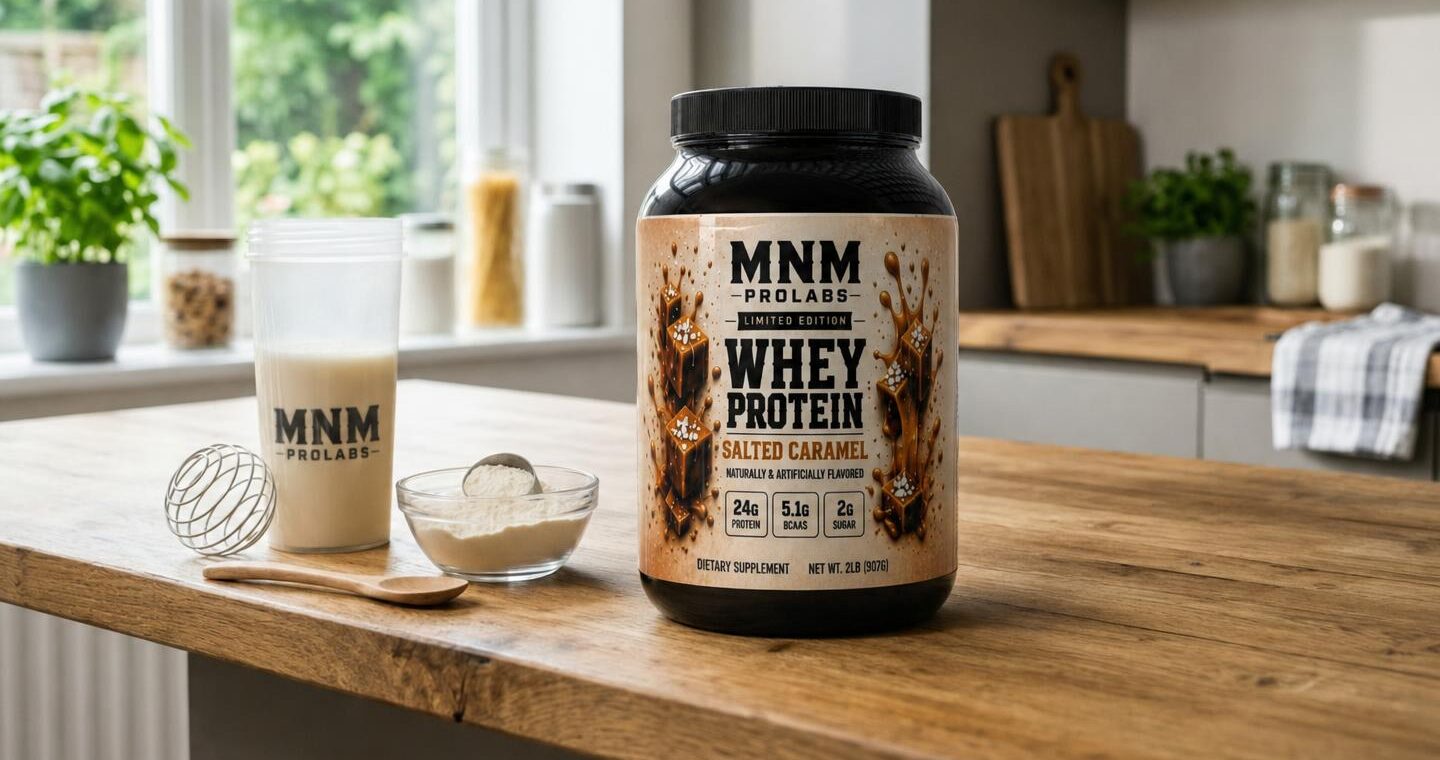
If you train five or six days a week in 2026 and protein timing matters to your recovery, isolate’s faster digestion is the practical edge over concentrate. The MNM ProLabs supplement lineup is built around that same logic: pick the format that matches your gut and your training volume, not the one with the loudest label.
What makes the best whey protein isolate powder
- Protein percentage by weight — isolate should sit at 90% or higher; anything lower is a blend, not a true isolate
- Lactose content — under 1g per serving is the standard for anyone with mild dairy sensitivity
- Mixability — isolate should dissolve in water or milk without clumping in a shaker
- Amino acid completeness — a full essential amino acid profile, not just a high gram count
- Additive load — fewer fillers, gums, and artificial sweeteners means a cleaner label
- Format fit — unflavored, flavored, enzyme-added, or bulk should match how and when you actually drink it
At a glance
| Type | Best for | Standout feature | Key limitation |
|---|---|---|---|
| Unflavored whey isolate | Everyday stacking | No added sugar or flavoring | Plain taste in water |
| Grass-fed whey isolate | Clean-label lifters | Pasture-raised dairy sourcing | Smaller batch, less common |
| Enzyme-added whey isolate | Lactose-sensitive lifters | Built-in digestive enzymes | Slightly higher cost per serving |
| Whey isolate + creatine blend | Muscle-growth stacking | One scoop covers two goals | Less flexible creatine dosing |
| Flavored dessert-style isolate | Taste-driven adherence | Palatable daily use | More additives per serving |
| Bulk whey isolate | High-volume training | Lower cost per gram | Larger upfront tub size |
1. Unflavored whey isolate: best whey protein isolate powder for everyday stacking
Unflavored isolate is the default pick because it goes into anything — oatmeal, coffee, a post-workout shake with fruit — without fighting other flavors. It carries the cleanest label of the bunch: usually just isolate and a lecithin for mixability, nothing else.
Unflavored whey isolate pros:
- Works in savory and sweet recipes alike
- No added sugar or artificial sweetener to track
- Easiest to dose precisely for macro tracking
Unflavored whey isolate cons:
- Tastes chalky in plain water for some people
- Less enjoyable as a standalone treat-style shake
Best for: lifters who track macros closely and mix protein into food, not just water.
Verdict: Buy.
2. Grass-fed whey isolate: best for clean-label sourcing
Grass-fed isolate comes from cows raised on pasture rather than grain-fed feedlots, which matters to buyers who care about dairy sourcing on principle. The protein percentage and amino profile land in the same range as standard isolate — the difference is entirely about how the milk was produced.
Grass-fed whey isolate pros:
- Sourcing transparency for label-conscious buyers
- Same 90%+ protein filtration as standard isolate
- Often paired with fewer synthetic additives
Grass-fed whey isolate cons:
- Smaller batch runs mean less brand variety
- No measurable performance edge over standard isolate
Best for: buyers who prioritize sourcing story over price per gram.
Verdict: Buy if sourcing matters to you; skip if you just want the cheapest 90%+ protein.
3. Enzyme-added whey isolate: best for lactose-sensitive lifters
Even though isolate already strips most lactose during filtration, some people still feel bloated from trace amounts. Enzyme-added versions blend in lactase or a digestive enzyme complex to break down what’s left before it hits your gut.
Enzyme-added whey isolate pros:
- Reduces bloating for lactose-sensitive users
- Keeps the same 90%+ protein filtration as standard isolate
- No taste trade-off versus unflavored isolate
Enzyme-added whey isolate cons:
- Slightly higher cost per serving for the enzyme blend
- Unnecessary if you already tolerate dairy fine
Best for: anyone who gets stomach discomfort from regular whey, even isolate.
Verdict: Buy if dairy usually bothers you.
4. Whey isolate + creatine blend: best for muscle-growth stacking
Combining whey isolate with creatine monohydrate in one scoop saves a step for lifters running a basic muscle-growth stack. It works because creatine doesn’t interact negatively with whey protein absorption, so both compounds do their job independently.
If you want to understand dosing and timing for the creatine side of this stack specifically, the creatine monohydrate guide breaks down how much and when to take it separate from protein.
Creatine-blend isolate pros:
- One scoop covers two of the most researched supplements in sports nutrition
- Simplifies a beginner’s supplement routine
- Cuts down on separate scooping and mixing
Creatine-blend isolate cons:
- Locks you into a fixed creatine dose per scoop instead of adjusting it yourself
- Harder to isolate protein-only days if you cycle creatine
Best for: lifters who want a simplified, low-maintenance muscle-growth stack.
Verdict: Buy for simplicity; Hold if you prefer dosing creatine and protein separately.
5. Flavored dessert-style whey isolate: best for taste-driven adherence
A supplement you actually enjoy drinking gets used consistently, and that consistency matters more than any spec sheet. Dessert-style flavors — chocolate, vanilla, cookie varieties — trade a slightly longer ingredient list for daily palatability.
Flavored isolate pros:
- Higher day-to-day adherence for taste-driven users
- Doubles as a low-carb dessert substitute
- Mixes well in water alone, no need for milk or fruit
Flavored isolate cons:
- More additives per serving than unflavored versions
- Flavor fatigue can set in after months of daily use
Best for: anyone who has quit protein shakes before purely because they tasted bad.
Verdict: Buy if adherence has been your problem, not your macros.
6. Bulk whey isolate: best budget option for high-volume training
Buying isolate in a large-format tub lowers cost per gram of protein, which matters most to lifters going through multiple servings a day during a heavy training block. The trade-off is a bigger upfront commitment and less room to test different flavors.
Bulk whey isolate pros:
- Lower cost per gram across a training cycle
- Fewer reorders during high-volume months
- Same 90%+ protein filtration as smaller tubs
Bulk whey isolate cons:
- Large tub takes longer to use if your training volume drops
- Less flexibility to switch flavors or formats mid-cycle
Best for: athletes training multiple sessions daily who go through protein fast.
Verdict: Buy if your training volume justifies the bulk format.
Browse the MNM ProLabs protein lineup
Compare isolate formats before you commit to a tub.
How we ranked
Each type above was scored against the six criteria up top: protein percentage, lactose content, mixability, amino completeness, additive load, and format fit for a specific training situation. No two categories compete for the same use case — that’s why this reads as a decision tree instead of a single leaderboard.
A quick rule of thumb for 2026: if you’re not sure which isolate type fits, start with unflavored and adjust based on your gut and your taste preference from there.
Which whey protein isolate powder should you choose?
For most lifters walking into 2026 training cycles, unflavored whey protein isolate powder is the default pick — clean label, flexible use, no added sugar to track. Swap to an enzyme-added version if dairy has ever bloated you, and go bulk-format if you’re training multiple sessions a day and burning through tubs fast. Anyone stacking creatine alongside protein should read the best creatine monohydrate supplements roundup before locking in a blended product.
FAQ
What’s the best whey protein isolate powder in 2026?
Unflavored whey isolate is the best all-around pick for 2026 because it carries a clean label and mixes into any recipe. Enzyme-added and bulk-format versions are better fits for specific needs like lactose sensitivity or high training volume.
Is whey isolate better than whey concentrate?
Whey isolate has a higher protein percentage by weight (90%+ versus 70-80% for concentrate) and far less lactose per serving. Concentrate costs less and still works fine for lifters without dairy sensitivity.
How much protein is in a scoop of whey isolate?
A typical scoop of whey protein isolate powder delivers 25 to 27 grams of protein. Exact numbers vary by brand and scoop size, so check the label on the specific product you buy.
Does whey isolate cause bloating?
Standard whey isolate already has under 1 gram of lactose per serving, which is low enough that most people tolerate it fine. If you still notice bloating, an enzyme-added isolate is built specifically to solve that.
Can you take whey isolate and creatine together?
Yes, whey isolate and creatine monohydrate don’t interfere with each other and are commonly taken in the same shake. Some products blend both into one scoop for convenience.
Is grass-fed whey isolate worth the sourcing claim?
Grass-fed whey isolate has the same protein filtration and amino profile as standard isolate; the difference is entirely about how the dairy was sourced. It’s worth it if sourcing matters to you personally, not for any performance edge.
What’s the cheapest way to buy whey protein isolate powder?
Bulk-format tubs lower the cost per gram of protein compared to smaller containers, which pays off during high-volume training blocks. Smaller tubs make more sense if your training volume is inconsistent.
One last thing
The filtration step that turns whey concentrate into isolate is also what strips out most of the lactose — so if a product markets itself as “isolate” but still lists a meaningful lactose gram count on the label, check the protein percentage twice before buying. Real isolate sits at 90% protein by weight or higher; anything lower is a blend wearing an isolate label.